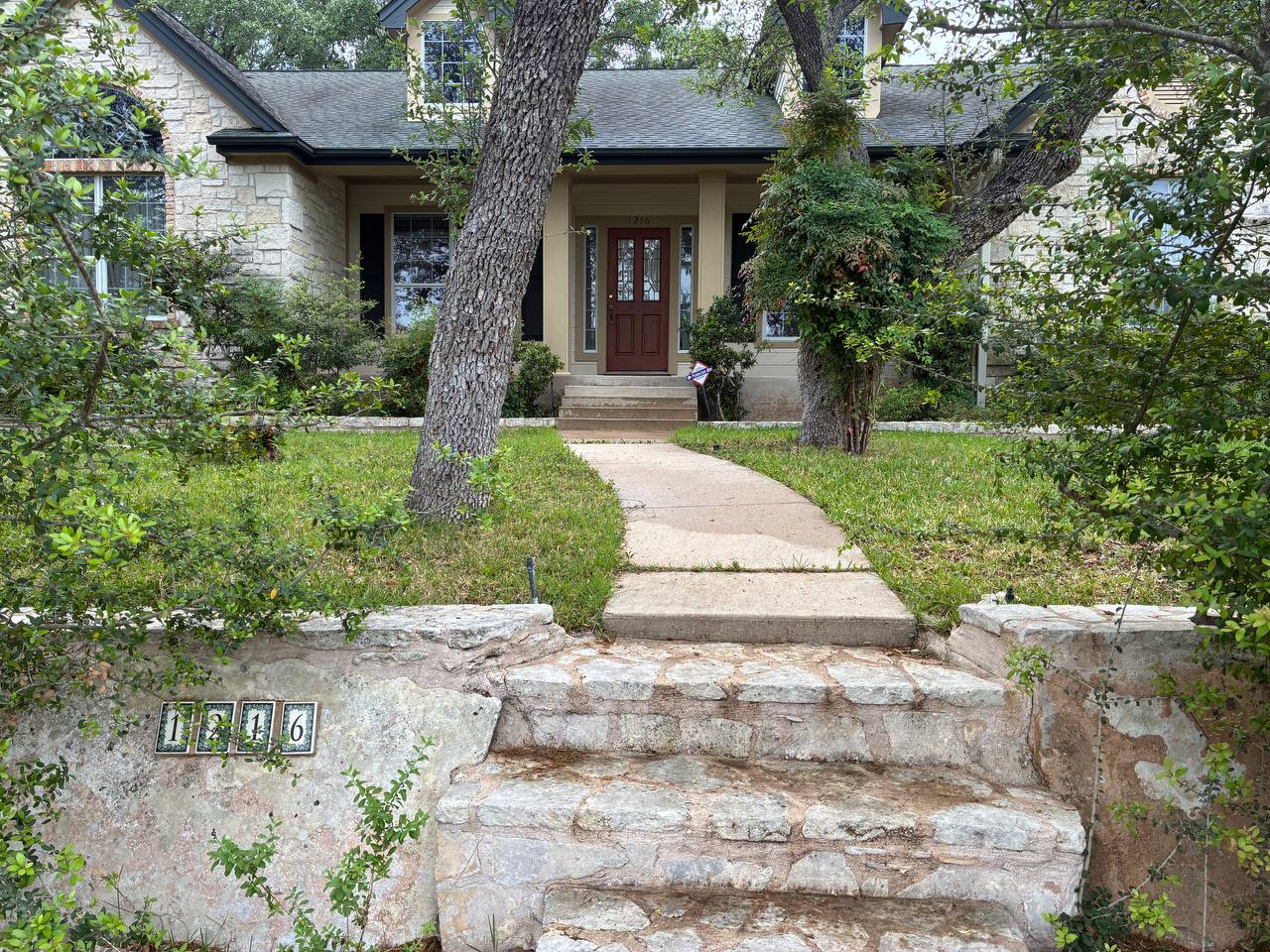
Why Alamo Heights foundation work should start by protecting the house, not attacking it
What makes Alamo Heights different This is an older-home, higher-finish environment. The cost of misreading a movement pattern is not just structural. It can show up in damaged finishes, disrupted landscaping, and renovations done in the wrong sequence.
Older homes carry more finish risk
In Alamo Heights, a foundation decision may affect plaster, trim, cabinetry, flooring, tile, and other finishes that are expensive or difficult to restore cleanly. That is why the first priority is often diagnosis, not disruption. Homeowners need to know whether the house is actively moving and what is driving it before they disturb valuable surfaces.
Mature landscaping can be part of the problem and part of the constraint
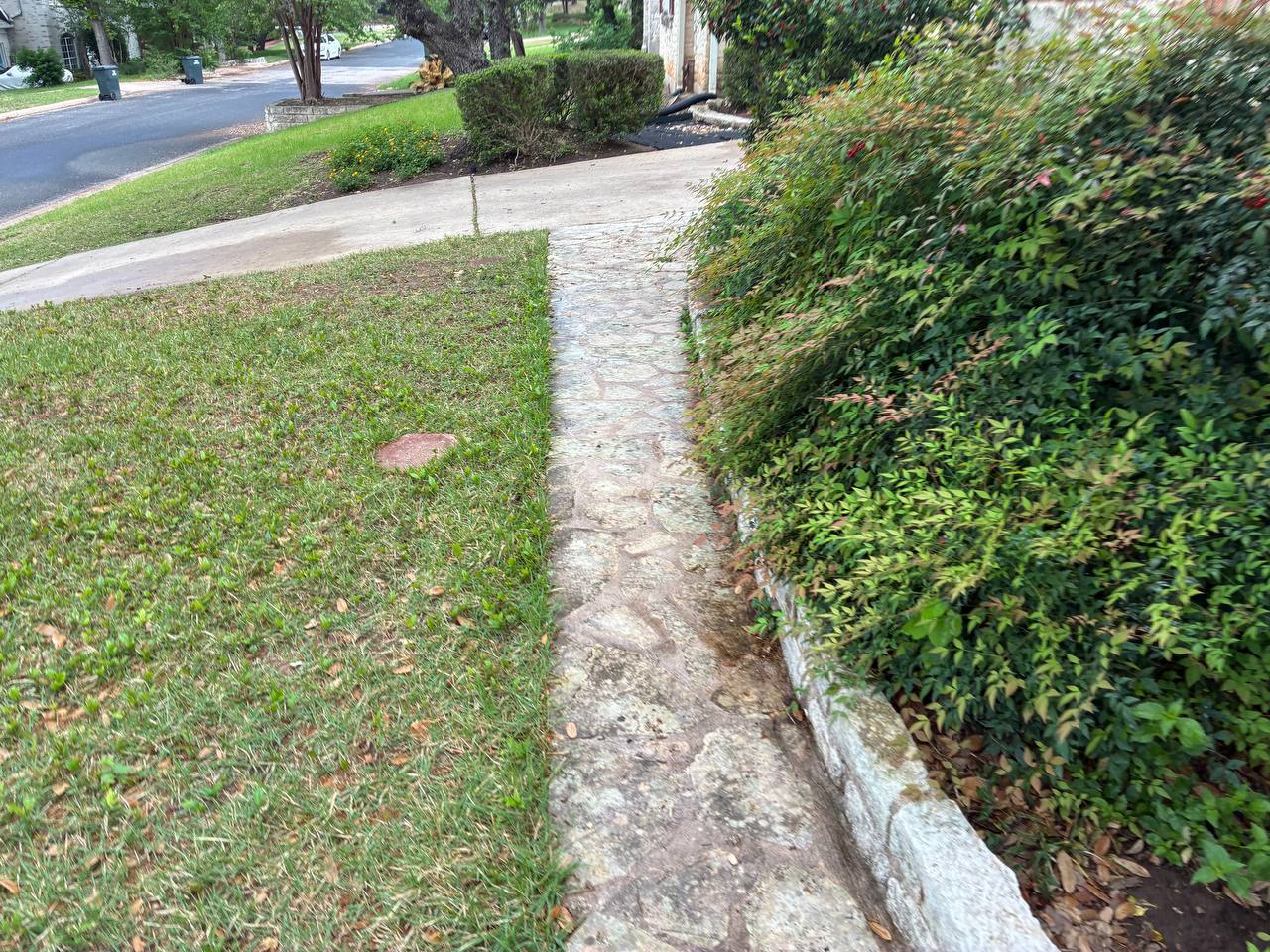
Established trees, irrigation zones, raised beds, and long-evolved drainage paths can all influence moisture conditions near the foundation. At the same time, those landscape features are often investments the homeowner wants to preserve. A useful inspection should respect both realities.
Do not let finish work erase the evidence
Repeated patching, cosmetic renovation, or preemptive leveling work can make the house look cleaner while making the diagnosis weaker. In older homes, that mistake can be costly because the finish budget is often large and the structural story becomes harder to read afterward.
The right sequence protects both value and sanity
Some Alamo Heights homes need irrigation or drainage changes. Some need monitoring. Some need structural repair. The value of a diagnosis-first process is that it helps the owner stage those decisions in the right order so the house is protected instead of repeatedly disturbed.