Foundation Repair in Garden Ridge, TX

Foundation Repair in Garden Ridge, TX

Need foundation repair guidance in Garden Ridge, TX? Larger lots, drainage variation, trees, and custom homes require property-specific evaluation.

  • Garden Ridge, TX
  • Foundation Repair
  • Archetype 4, Exurban Lot-Scale Protection

Foundation repair in Garden Ridge, TX should begin with the property, not just the crack. Garden Ridge sits at the edge of the San Antonio metro pattern, with a lower-density residential feel, larger homesites, and more variation from one lot to the next than you would expect in a typical subdivision market. That setting changes how foundation problems should be evaluated. On an exurban or estate-style property, water movement, grading, tree cover, and site preparation can vary across the lot in ways that have a direct effect on the structure. If a contractor looks only at the house and ignores the broader homesite, the diagnosis may miss the real driver of the problem.

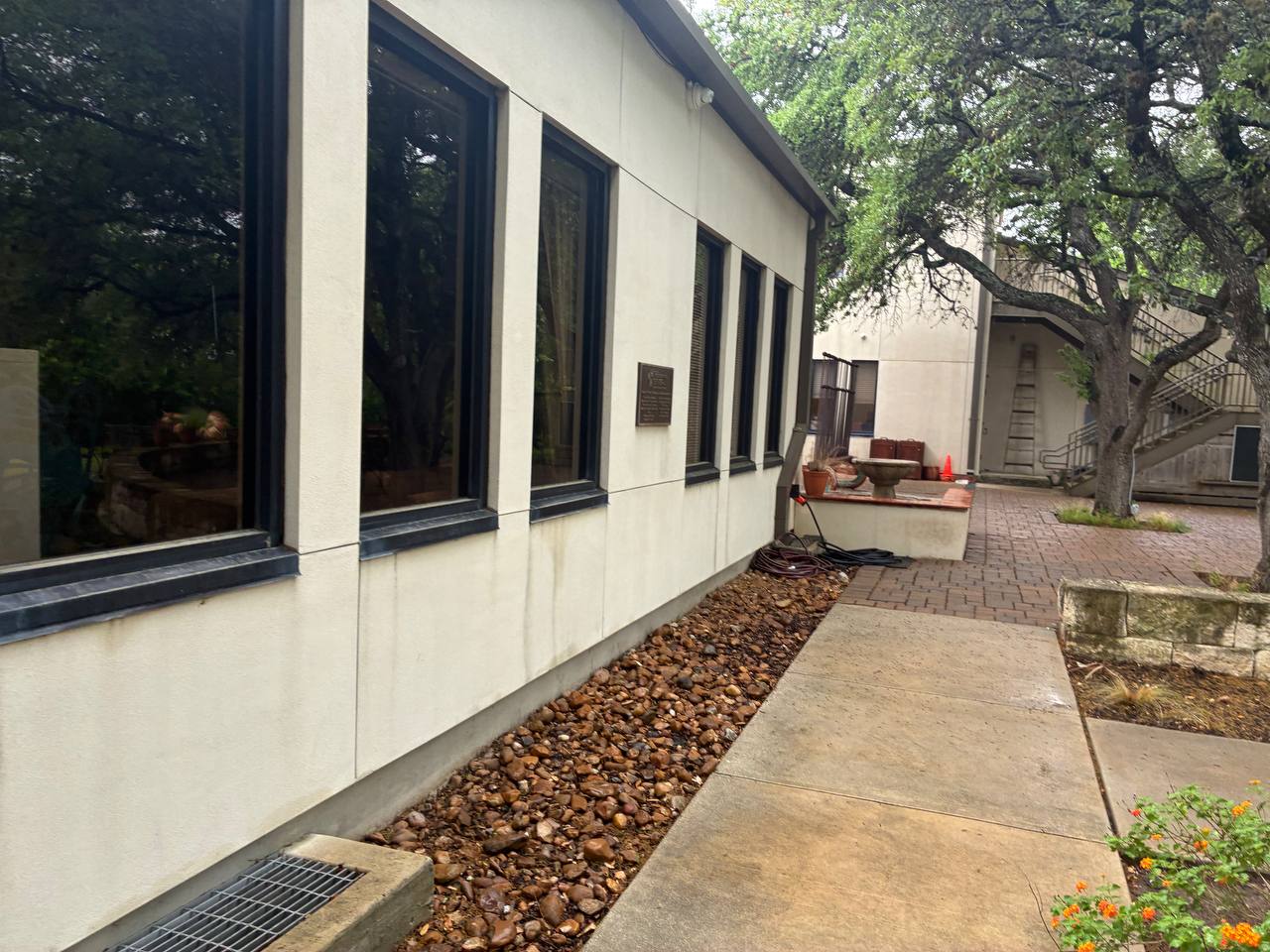
Residential exterior with walkway and perimeter grading used as a Garden Ridge foundation repair hero image

Request a foundation inspection in Garden Ridge

Tell us what you are seeing and the best way to reach you.

Call or text now

Call or text for the fastest next step. We log page source behind the scenes so you can keep one number across the pilot.

Page attribution is preserved through tracked call/text click events plus the lead form source fields.

AEO quick answer

How do you know if a home in Garden Ridge, TX may need foundation repair?

A home in Garden Ridge, TX may need foundation repair when cracks, sticking doors, floor slope, and drainage issues show up as a repeating pattern instead of a one-off cosmetic issue. In Garden Ridge, archetype 4, exurban lot-scale protection can make it harder to separate normal aging from active movement. The next step is to decide whether the home needs monitoring, drainage correction, or structural repair.

  • Compare recurring cracks, sticking doors, slope, and drainage patterns together in Garden Ridge.
  • Do not assume every crack means piers, inspection should separate monitoring, drainage correction, and structural repair.
  • Act before repeated cosmetic patching hides the real movement pattern.

What this page covers

  • Recurring cracks and sticking doors mean more when they repeat in the same zones.
  • Drainage, runoff, trees, and site changes often matter as much as the visible crack.
  • The first goal is diagnosis, not jumping blindly to the biggest repair.

Local foundation repair guidance

Many Garden Ridge homeowners are not looking for a quick cosmetic answer. They are trying to protect a high-value property over the long term. They want to know whether the issue is mostly drainage and grading, whether structural repair is becoming necessary, or whether the house simply needs to be monitored while site conditions are improved. That long-horizon mindset is a strength. It encourages the kind of careful evaluation that larger-lot properties require.

On a bigger homesite, runoff rarely behaves in a simple, uniform way. Water may enter the property from one direction, collect in a low area, travel along a fence line, or move slowly across a broad yard before reaching or avoiding the house. One side of the foundation may stay comparatively dry while another receives repeated moisture. Tree cover can deepen the contrast by increasing moisture demand in select areas. Slight elevation changes across the lot can also shape how water drains away from or toward the structure. These conditions are easy to underestimate when the house itself looks stable at first glance.

Garden Ridge homes also tend to be less standardized than tract-heavy suburban neighborhoods. Custom construction, variable site preparation, and property-specific landscaping mean one-size-fits-all messaging is rarely useful. Two homes on the same road may have very different drainage behavior, support conditions, and repair needs. That is why a property-specific foundation inspection matters. It should account for the house, the grade, the runoff paths, and the surrounding lot conditions before recommending anything as significant as underpinning.

Inspection focus: Compare the symptom pattern, drainage behavior, and site changes before jumping to a repair method.
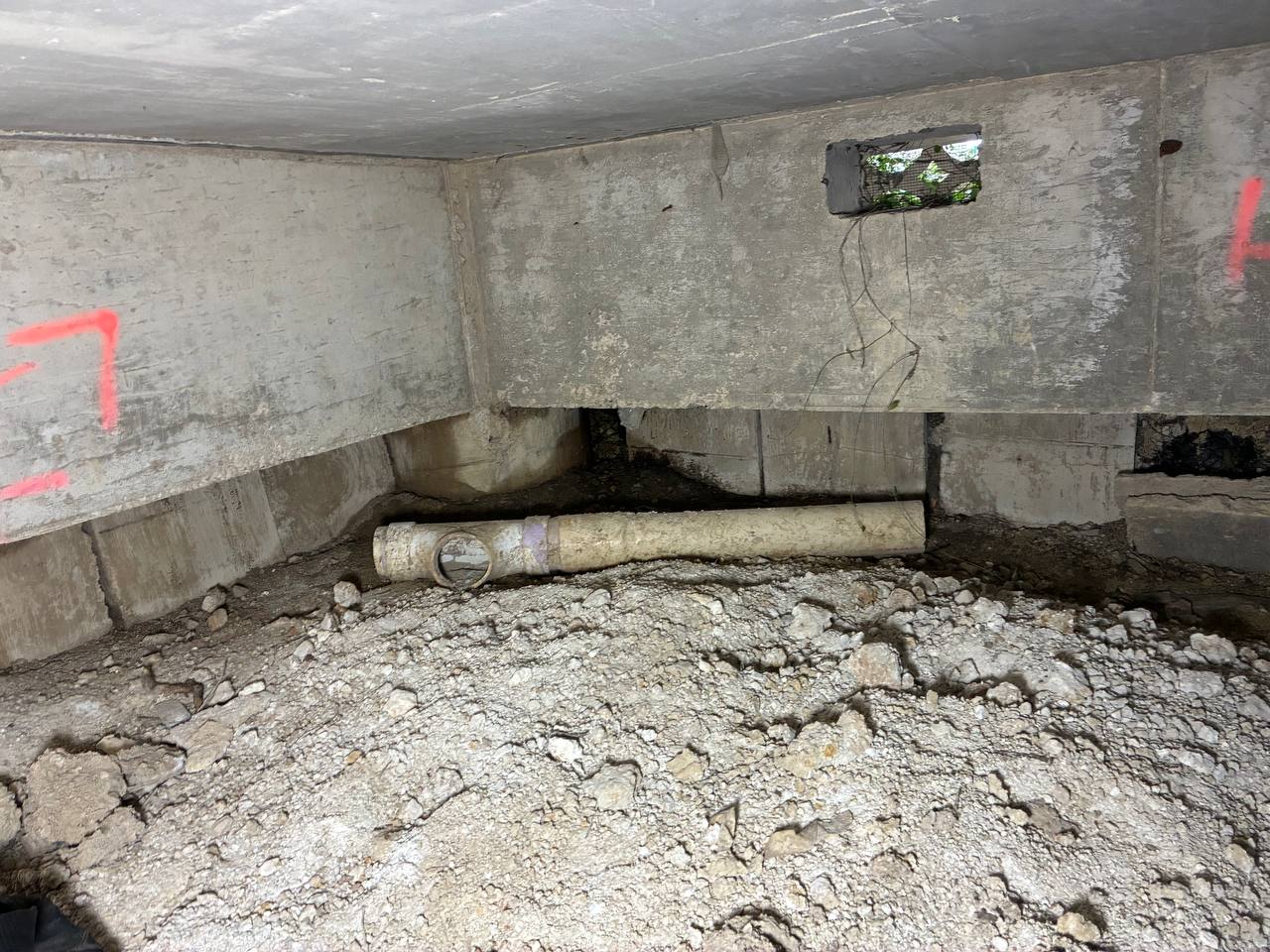
Homeowners often first notice common symptoms, drywall cracking, sticking doors, trim separation, or uneven floors. Those are important signs, but on a larger lot they must be read in context. A crack in one room may reflect movement concentrated along a side of the home where moisture conditions differ sharply from the rest of the perimeter. A door alignment issue may connect to a broader pattern that lines up with how the site sheds water. If those signs keep recurring after patching, the problem is even more likely to involve conditions beyond surface finishes.

That is why drainage planning in Garden Ridge may extend beyond immediate perimeter fixes. In some cases, the best recommendation involves understanding the wider site first. Where does runoff enter the property. Where does it concentrate. Does the lot hold moisture near one corner of the home after storms. Are there tree-dense areas pulling moisture differently than open zones. Has landscaping or hardscape redirected water over time. These questions matter because the foundation responds to the soil support it receives, and that support is shaped by the lot-scale water story.

This does not mean every Garden Ridge foundation concern calls for a major project. Some properties benefit from improved grading, drainage redirection, or moisture-management changes. Some need observation and documentation so the owner can see whether symptoms stay stable or continue to progress. Others do require structural repair because the movement pattern is pronounced enough that water control alone will not solve it. The important point is that the recommendation should fit the property instead of assuming every crack points to the same answer.

Owners in Garden Ridge are often balancing caution with restraint. They do not want to underreact and let a serious pattern grow worse. They also do not want to overreact and commit to disruptive repair work that does not match the real condition of the home. A well-scoped inspection helps with that balance. It narrows the issue into a practical decision, whether that means managing drainage first, monitoring carefully, or preparing for structural stabilization.

Because lot variation is so important here, the inspection should be both structural and environmental in outlook. It should look at interior and exterior symptoms, but also at topography, runoff length, low areas, tree influence, and how the home sits within the broader homesite. That fuller picture is what makes the recommendation valuable. Without it, the owner may get a generic answer that fits a suburban tract lot better than a Garden Ridge property.

If you are seeing signs of movement in Garden Ridge, the right next step is a fit-for-this-property evaluation. Foundation repair is most effective when it starts with understanding the lot-scale conditions affecting the house. That approach supports long-term asset protection, reduces guesswork, and helps you respond to the actual risk level, whether the solution is drainage work, monitoring, structural repair, or a combination tailored to the property.

Schedule a Garden Ridge foundation inspection for a property-specific recommendation based on your lot, drainage paths, and long-term protection goals.

Frequently asked questions

Why is foundation evaluation different on a larger Garden Ridge lot?
Larger lots often create longer runoff paths, more uneven moisture distribution, and greater variation between one side of the property and another. That means the foundation should be evaluated in the context of the whole homesite, not just the immediate perimeter.
Can drainage be the main issue even if I see interior cracks?
Yes. Interior cracks can reflect changes in support conditions caused by grading, runoff concentration, standing water, or uneven drying around the house. On exurban properties, drainage and moisture control are often a major part of the diagnosis.
Does a custom or estate-style home need a different repair recommendation?
Often it does. Custom homes can have unique footprints, site preparation histories, and landscaping conditions. A generic recommendation may miss important details about how the house and lot interact, so a fit-for-this-property inspection is especially valuable.
When should structural underpinning be considered?
Underpinning should be considered when the pattern of movement is significant, repeatable, and not explained by minor cosmetic issues alone. If inspection shows notable differential movement and drainage correction alone is unlikely to resolve it, structural repair planning may be appropriate.
What are owners usually trying to protect in Garden Ridge?
Many Garden Ridge owners are thinking about long-term asset protection. They want to preserve the home, avoid unnecessary disruption, and make decisions that address real risk without overreacting. That is why property-specific evaluation is so important.

Next step

Need foundation repair guidance in Garden Ridge, TX? Larger lots, drainage variation, trees, and custom homes require property-specific evaluation.