Foundation Repair in La Vernia, TX

Foundation Repair in La Vernia, TX

La Vernia foundation guidance should explain how newer homes, evolving lot drainage, and post-build site changes can create early recurring slab stress.

  • La Vernia, TX
  • Foundation Repair
  • Growth Corridor / Grading Variation

La Vernia foundation concerns often start with newer-home owners trying to figure out whether recurring symptoms are normal settling or a pattern that needs a closer read.

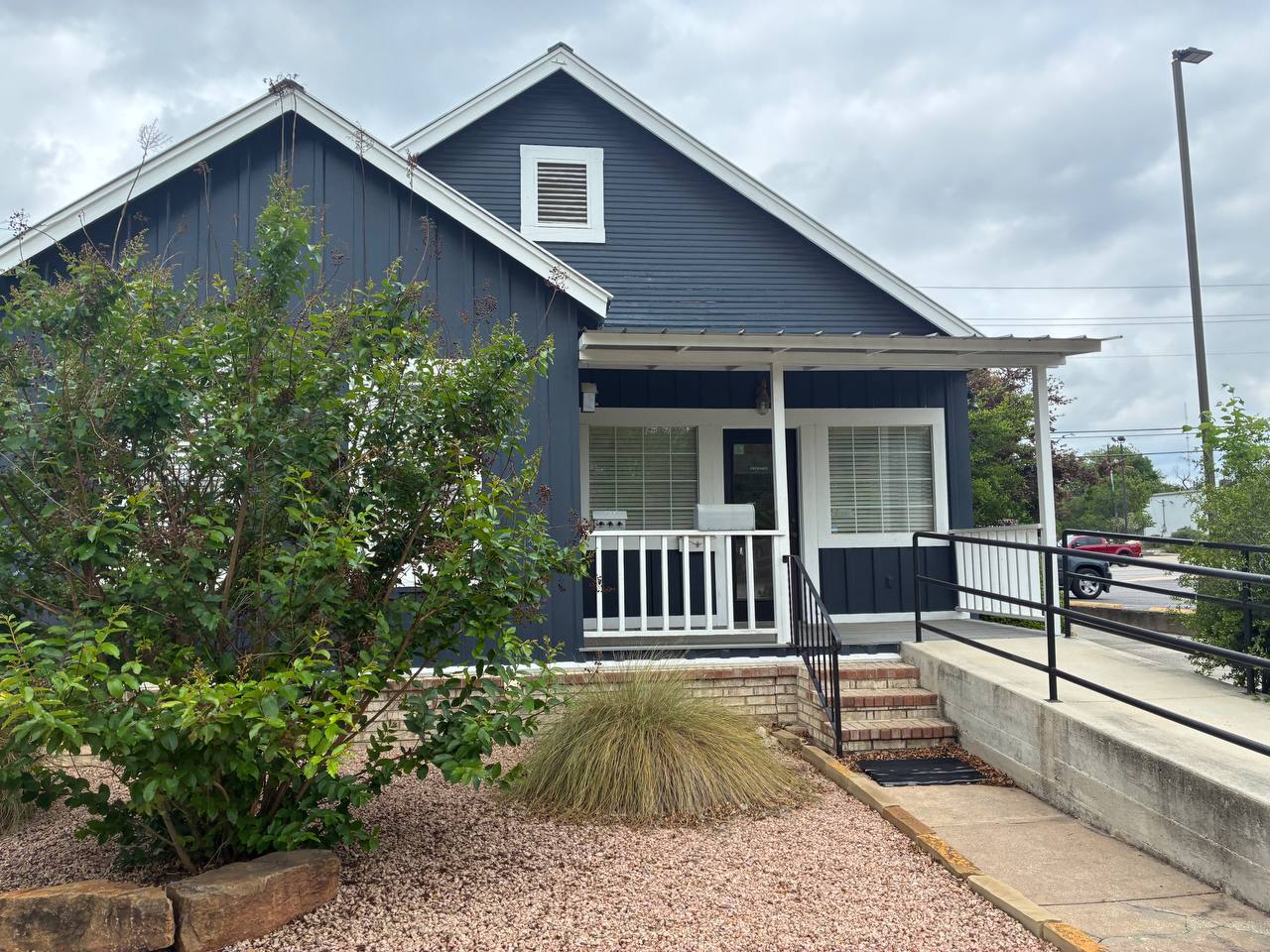
Residential exterior used as a La Vernia foundation repair hero image

Request an inspection

Tell us what is happening and the best way to reach you.

Call or text now

Call or text for the fastest next step. We log page source behind the scenes so you can keep one number across the pilot.

Page attribution is preserved through tracked call/text click events plus the lead form source fields.

La Vernia foundation repair questions usually start with the age of the home

How do you know if a home in La Vernia, TX may need foundation repair?

A home in La Vernia may need foundation repair when recurring cracks, sticking doors, trim separation, or floor changes keep returning and line up with drainage issues or uneven support conditions around a newer or recently developed lot.

  • Newer homes can still develop real foundation patterns.
  • Drainage after move-in may behave differently than the original construction plan suggested.
  • The inspection should clarify whether the right response is runoff correction, monitoring, or structural repair planning.

Newer-slab drainage read

  • A newer slab can still develop recurring movement if drainage stays uneven.
  • Post-build lot changes often matter more than homeowners expect.
  • The inspection should separate early drainage-related symptoms from structural repair cases.

La Vernia foundation issues often make more sense once you look past the home's age

A newer slab can still show a real pattern

The age of the home does not matter as much as whether the same signs are repeating and clustering in a meaningful way.

Drainage after construction is part of the real-world test

Once landscaping, gutters, fencing, and everyday water flow settle in, the lot may behave differently than it did when the slab was first poured.

Post-build site changes can shift runoff

Added concrete, beds, outbuildings, and grading adjustments may slowly change how water reaches or leaves the perimeter.

The next step should be evidence-based

Some La Vernia homes need better water management, some need monitoring, and some need structural repair planning. The inspection should separate those outcomes clearly.

Frequently asked questions

Can a newer La Vernia home still need foundation repair?
Yes. A newer slab can still develop recurring symptoms if drainage is uneven, water stays too close to the perimeter, or support conditions vary around the lot.
Why does drainage matter so much on newer development?
Because runoff patterns may still be settling into the way the lot was graded, landscaped, and hardscaped after construction. Small drainage flaws can create repeated stress over time.
What signs should owners of newer homes watch for?
Watch for recurring drywall cracks, doors that begin sticking, floor changes, trim separation, or exterior gaps that come back after repair or appear in a cluster.
Does a young slab automatically mean the movement is minor?
Not necessarily. Some issues stay limited, while others progress if drainage and moisture imbalance are not addressed. The pattern matters more than the home's age alone.
What should the inspection help a La Vernia homeowner decide?
It should clarify whether the home mainly needs runoff correction, monitoring, or structural repair planning based on the strength and distribution of the symptoms.

Next step

Foundation repair in La Vernia, TX should look at newer slab symptoms, drainage around recent development, and lot conditions that may cause early recurring movement.