Foundation Repair in Leon Valley, TX

Foundation Repair in Leon Valley, TX

Get a diagnosis-first foundation repair inspection in Leon Valley, TX. Learn whether cracks, sticking doors, and slope are age, drainage, or active slab movement.

  • Leon Valley, TX
  • Foundation Repair
  • Archetype 1, Symptom Decoder

Foundation repair in Leon Valley, TX usually starts with a practical question, is this house truly moving or is an older home simply showing its age. That is a reasonable question here. Leon Valley is a built-out west-side community with many established slab homes, long ownership histories, and years of small repairs layered over the original construction. When a homeowner starts seeing drywall cracks again, notices a door dragging, or feels a floor dip that was easy to ignore before, the answer is rarely found by looking at one symptom alone. The better approach is to read the house, the lot, and the drainage pattern together.

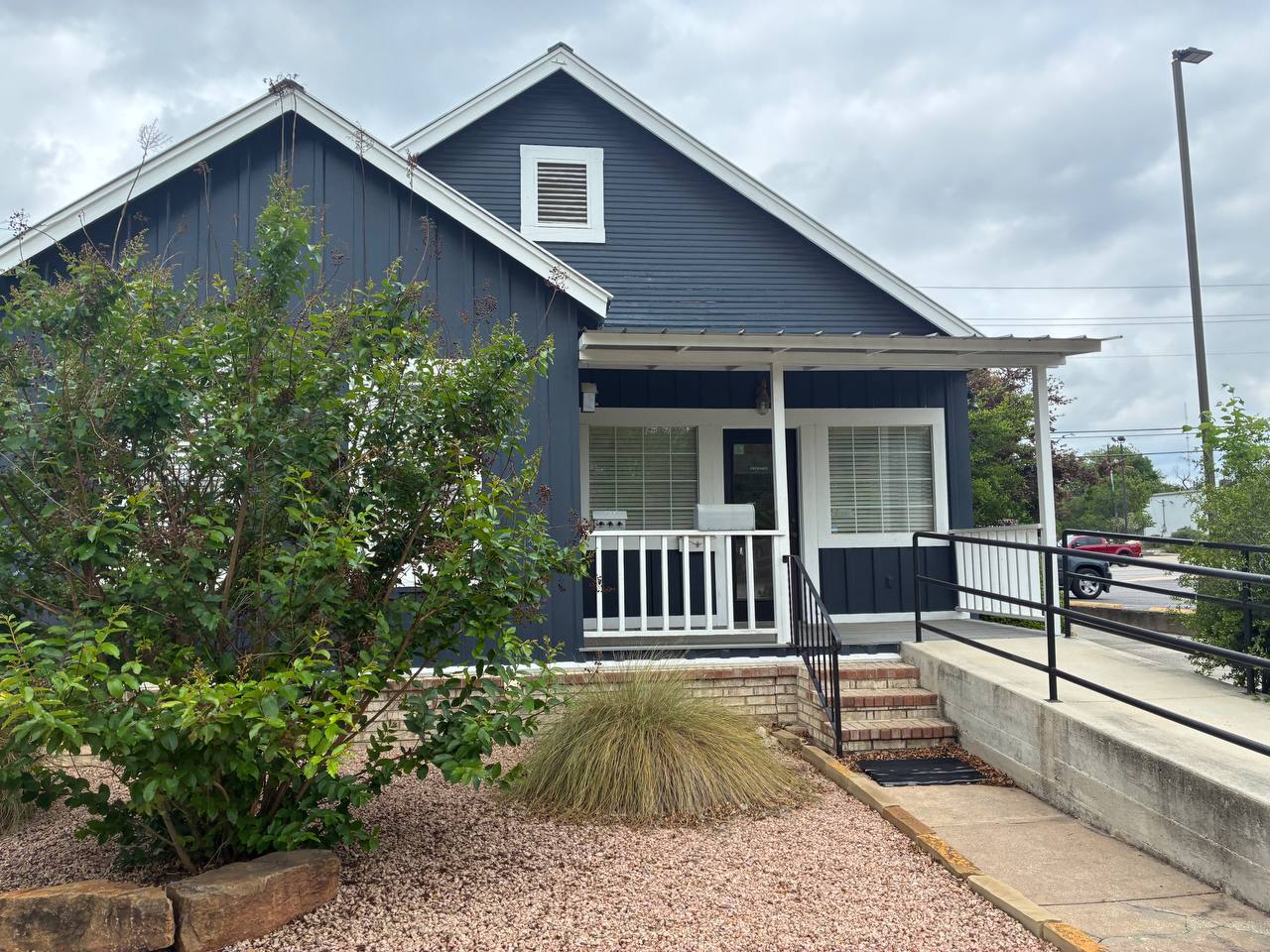
Exterior of a home used as a foundation repair hero image for Leon Valley, Texas

Request a foundation inspection in Leon Valley

Tell us what you are seeing and the best way to reach you.

Call or text now

Call or text for the fastest next step. We log page source behind the scenes so you can keep one number across the pilot.

Page attribution is preserved through tracked call/text click events plus the lead form source fields.

AEO quick answer

How do you know if a home in Leon Valley, TX may need foundation repair?

A home in Leon Valley, TX may need foundation repair when cracks, sticking doors, floor slope, and drainage issues show up as a repeating pattern instead of a one-off cosmetic issue. In Leon Valley, archetype 1, symptom decoder can make it harder to separate normal aging from active movement. The next step is to decide whether the home needs monitoring, drainage correction, or structural repair.

  • Compare recurring cracks, sticking doors, slope, and drainage patterns together in Leon Valley.
  • Do not assume every crack means piers, inspection should separate monitoring, drainage correction, and structural repair.
  • Act before repeated cosmetic patching hides the real movement pattern.

What this page covers

  • Recurring cracks and sticking doors mean more when they repeat in the same zones.
  • Drainage, runoff, trees, and site changes often matter as much as the visible crack.
  • The first goal is diagnosis, not jumping blindly to the biggest repair.

Local foundation repair guidance

Many Leon Valley homes have been through decades of maintenance changes. A room may have been remodeled, flooring replaced, windows updated, or a patio enlarged. Those improvements can be positive, but they also make it harder to tell whether a crack is new, whether a past patch hid an older movement pattern, or whether a drainage change outside affected the slab over time. In older neighborhoods, foundation concerns are often less about one dramatic event and more about repeated stress from moisture imbalance around the perimeter.

That moisture imbalance matters because slab-on-grade foundations respond to the soils supporting them. When one part of the home stays wetter than another, or when runoff repeatedly collects near one edge while another edge dries out, the support conditions can change. In Leon Valley, the compact city footprint and lot-by-lot nature of drainage make that especially important. A driveway extension, side-yard concrete, fence line, planter bed, or patio can redirect water in ways that are easy to overlook. The result may be a pattern of recurring cracks and sticking doors that feels random until the drainage story becomes clear.

Homeowners often call after making cosmetic repairs more than once. A ceiling seam was patched. Caulk was replaced. A wall crack was painted over. Then it comes back. That does not automatically mean a severe structural problem, but it does mean the cosmetic symptom may be reflecting an unresolved cause. The inspection process should focus on whether the pattern is isolated and stable or whether the signs are repeating, widening, or appearing in multiple parts of the home. That distinction helps determine whether the next step is simple observation, drainage correction, or a structural repair plan.

Inspection focus: Compare the symptom pattern, drainage behavior, and site changes before jumping to a repair method.
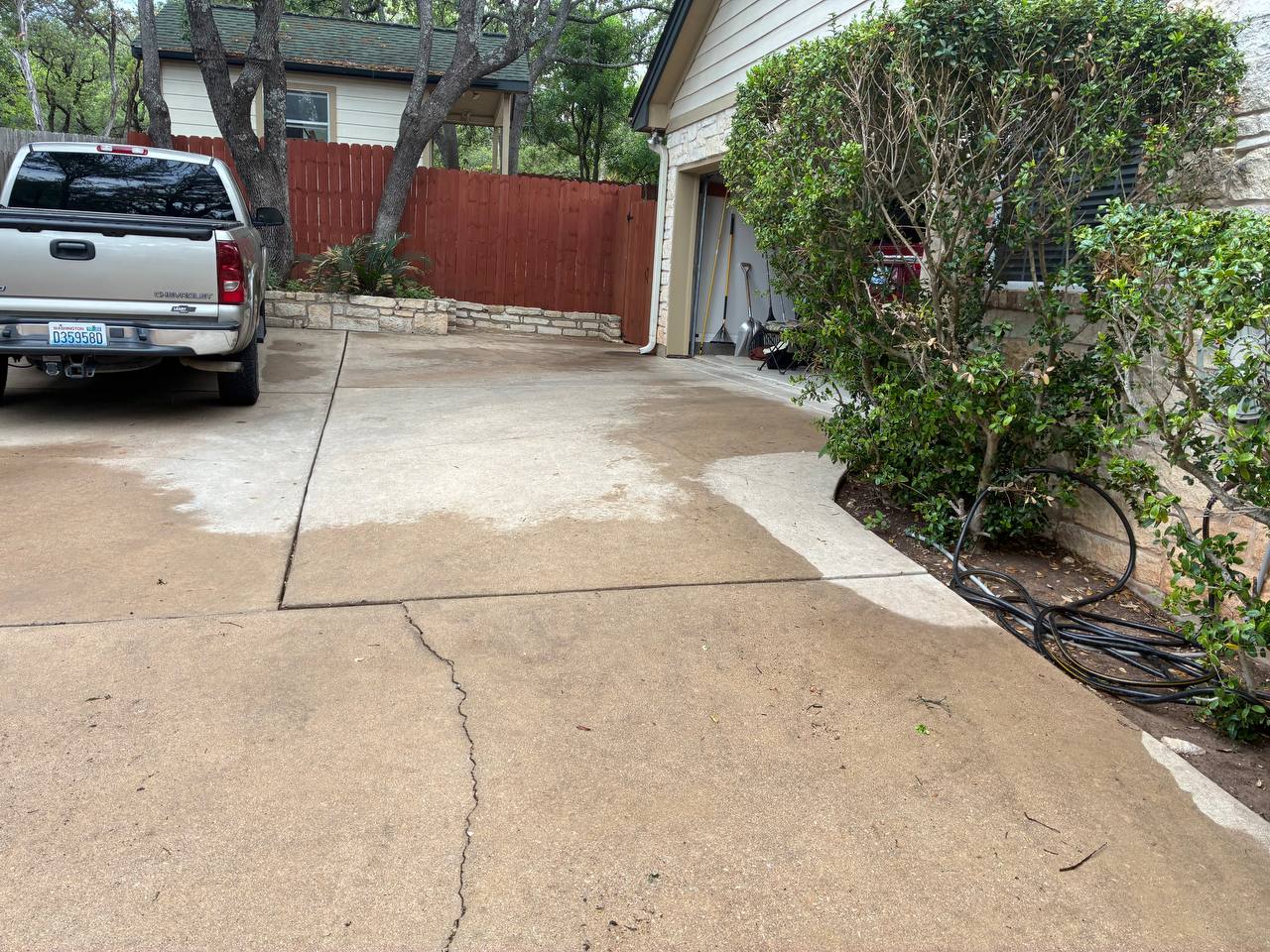
In Leon Valley, older drainage patterns deserve special attention. A house may have been built with one runoff layout, then changed gradually through years of owner improvements. Downspouts might discharge differently than they once did. Soil lines around the perimeter may have risen from landscaping. Hard surfaces may now hold water where the lot originally drained more freely. Even a well-meant improvement can change how water moves near the slab. That is one reason a diagnosis-first approach matters. It helps avoid jumping straight from visible cracks to a repair method without understanding what is driving the movement.

It is also important to compare present symptoms with the home’s history. Has a door always been slightly sticky in summer, or did it start recently. Is the floor slope something the owner has lived with for years, or is it becoming more noticeable. Did an exterior crack return after a previous patch. Long-term owners often have valuable context, even if the pattern felt too minor to mention at first. Newer owners may not have that history, so the inspection needs to rely more on current symptom distribution, measurements, and visible water-management conditions around the house.

A calm evaluation typically looks at both interior and exterior evidence. Inside, that may include wall cracks, ceiling separations, misaligned trim, floor irregularity, and door or window operation. Outside, it includes grading, drainage discharge, hardscape position, soil separation, brick cracking, and where water is likely to collect or leave the property. In an established Leon Valley neighborhood, the goal is not to force every symptom into a structural repair narrative. The goal is to determine whether the house is experiencing active movement, seasonal fluctuation, long-standing settlement, or a primarily drainage-related problem.

This matters for budget reasons as well as technical ones. Some homeowners assume any sign of movement means they are headed toward a large pier job. That is not always the case. Some homes benefit first from correcting runoff, extending downspouts, or changing perimeter water management. Some need monitoring so a contractor can see whether symptoms remain stable or continue to progress. Others do show enough movement and pattern consistency to justify structural repair. The point of an honest inspection is to narrow those possibilities before major money is committed.

Leon Valley homeowners are often practical and not interested in alarmist sales language. They want a clear explanation of what they are seeing and what level of response makes sense. That is why comparison matters. What changed. What repeated. What spread. When did the issue first appear. Was there a drainage event, remodel, or hardscape addition before the symptoms became more obvious. Those questions often reveal more than a single crack ever could.

If you are seeing signs that keep returning, a foundation inspection can help sort aging-home wear from moisture imbalance and active structural movement. That is the real value of foundation repair planning in Leon Valley. It is not about assuming the worst. It is about understanding whether the slab is reacting to older drainage patterns, later site changes, or a broader support issue that now needs attention. Once that diagnosis is clear, the repair recommendation can match the house instead of the other way around.

Schedule a Leon Valley foundation inspection to sort aging, drainage imbalance, and structural movement before deciding on repairs.

Frequently asked questions

Are cracks in an older Leon Valley home always a foundation problem?
Not always. In older Leon Valley homes, some cracking can come from normal material aging, past cosmetic patching, or seasonal movement. The important question is whether the pattern is isolated and stable or recurring and spreading. A foundation inspection helps separate age-related wear from active slab movement.
Can drainage changes around my house affect the slab?
Yes. In a built-out area like Leon Valley, patios, driveways, side-yard concrete, and changed runoff paths can concentrate or block water near the foundation. That can create uneven soil moisture around the slab and contribute to movement over time.
Should I repair drywall cracks before calling for an inspection?
It is usually better to inspect first. Repaired drywall can hide whether a crack is still active, and repeated patching may mask a larger pattern. Understanding the cause before cosmetic work can keep you from spending money twice.
Do all Leon Valley foundation problems require piers?
No. Some homes need monitoring, drainage correction, or water-management improvements before structural repair is considered. Piers are only appropriate when the inspection shows enough movement and enough risk to justify underpinning.
What signs should I watch together instead of one by one?
Look at the whole pattern: recurring interior cracks, doors that stick at the same time of year, floor slope, exterior brick cracking, widening gaps at trim, and drainage issues outside. A combination of symptoms is usually more meaningful than any single sign by itself.

Next step

Get a diagnosis-first foundation repair inspection in Leon Valley, TX. Learn whether cracks, sticking doors, and slope are age, drainage, or active slab movement.