Foundation Repair in Lytle, TX

Foundation Repair in Lytle, TX

Lytle foundation guidance should help homeowners compare recurring symptoms with lot runoff, repair history, and whether the pattern is seasonal, localized, or spreading.

  • Lytle, TX
  • Foundation Repair
  • Established Slab / Urban Drainage

Lytle foundation concerns often become easier to judge when the home history and the outside water pattern are reviewed together instead of separately.

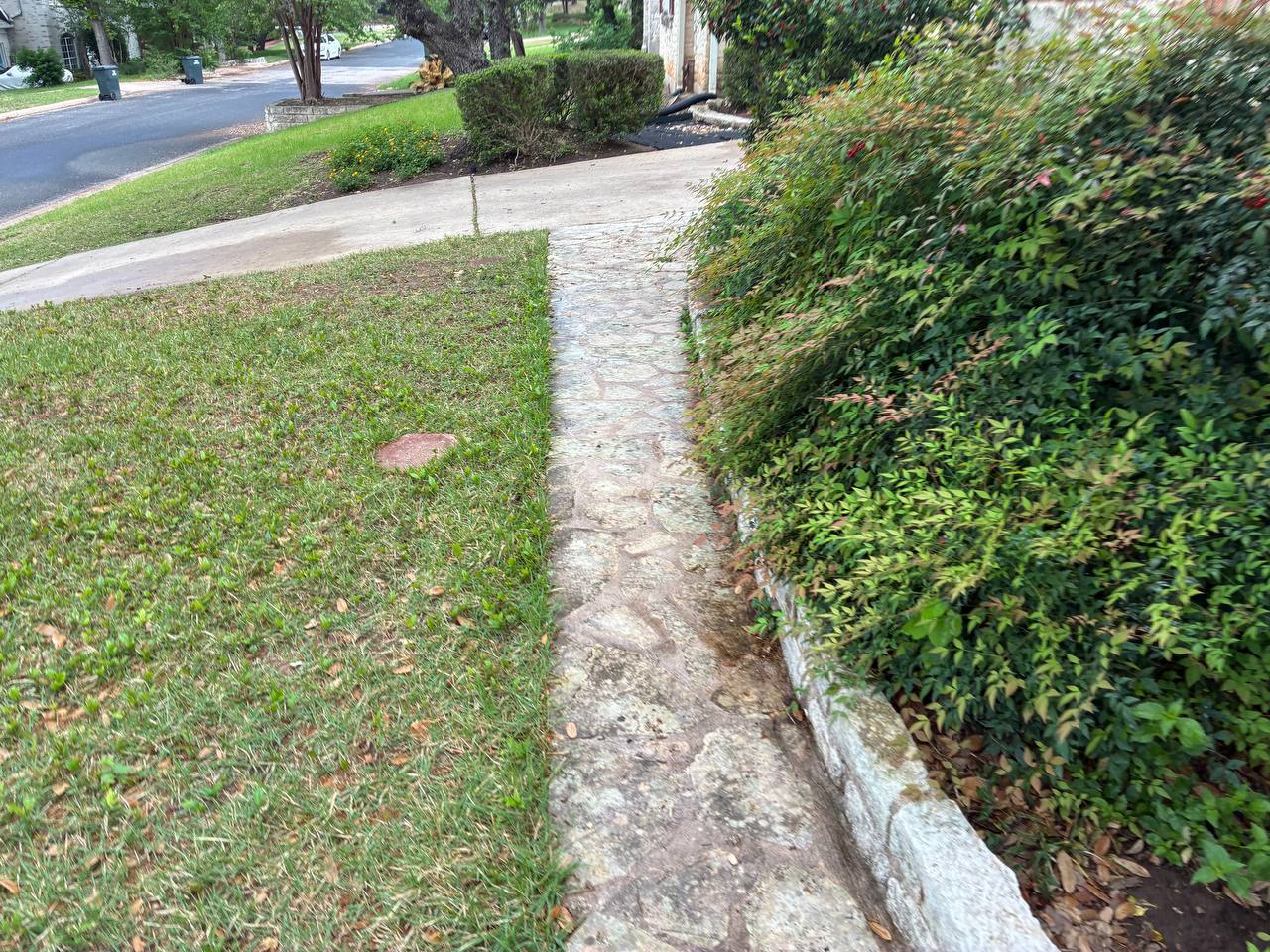
Residential exterior used as a Lytle foundation repair hero image

Request an inspection

Tell us what is happening and the best way to reach you.

Call or text now

Call or text for the fastest next step. We log page source behind the scenes so you can keep one number across the pilot.

Page attribution is preserved through tracked call/text click events plus the lead form source fields.

Lytle foundation repair decisions usually improve when recurring signs are compared with runoff conditions

How do you know if a home in Lytle, TX may need foundation repair?

A home in Lytle may need foundation repair when recurring cracks, sticking doors, floor change, and exterior gaps show a repeating or spreading pattern that matches uneven runoff or moisture conditions around the slab.

  • Current recurrence matters more than old cosmetic history alone.
  • Runoff and seasonal moisture shifts can be a major part of the diagnosis.
  • Inspection should narrow the next step before unnecessary repairs are made.

Seasonal recurrence check

  • Seasonal recurrence can still be a real warning sign.
  • Mixed-age housing means older repairs can hide current movement.
  • Inspection should separate monitoring, runoff correction, and structural repair planning.

Lytle foundation inspections should separate old cosmetic history from an active recurring pattern

House history matters, but current recurrence matters more

A patched crack from years ago is less important than whether the same stress keeps returning now in the same area of the home.

Weather-linked symptoms still count

If doors stick or cracks reopen around the same conditions each season, the home may be responding to repeat moisture imbalance rather than random chance.

Runoff and drainage should be checked with the interior symptoms

The best diagnosis compares finish damage with low spots, discharge points, and places where water may be affecting the slab perimeter.

The response should fit the evidence

Some homes need better runoff control, some need monitoring, and some need structural repair planning. The inspection should keep that decision grounded.

Frequently asked questions

Can a Lytle home have both old cosmetic damage and active movement?
Yes. A house can carry older patch history while still developing new or recurring movement signs, which is why the current pattern matters so much.
Why should lot runoff be checked during a foundation inspection?
Because water that collects or exits unevenly around the perimeter can help create the moisture contrast that drives recurring slab stress.
What if the symptoms seem to come and go?
That can still be meaningful. Seasonal or weather-linked recurrence often points to a moisture-related pattern that should be documented instead of ignored.
Is one sticking door enough to worry about?
Not by itself. It becomes more important when paired with recurring cracks, floor changes, or similar signs in nearby areas.
What should the homeowner learn from the inspection?
The homeowner should learn whether the signs point to monitoring, runoff correction, or a stronger case for structural repair planning.

Next step

Foundation repair in Lytle, TX should help homeowners connect recurring slab symptoms to mixed-age housing, lot runoff, and whether movement is staying localized or repeating across the structure.