How to triage foundation symptoms in a city as mixed as San Antonio
Why San Antonio needs a broad-intent page This market is not one neighborhood type or one home age. People searching in San Antonio often need help deciding whether their symptom set is minor, drainage-related, or serious enough to move quickly.
Start with the symptom cluster, not the loudest crack
A single drywall crack may be nothing more than finish movement. A single hard-to-close door can also have a simple explanation. What changes the conversation is when several signs begin traveling together, like reopening cracks, sticking doors, trim separation, exterior cracking, or a floor area that feels more obviously off than it did before.
That is the point where a San Antonio homeowner usually needs triage. The question is no longer, is this crack ugly. The question is whether the house is giving multiple signals that support conditions have changed.
Metro-wide housing variety makes copy-paste advice weak
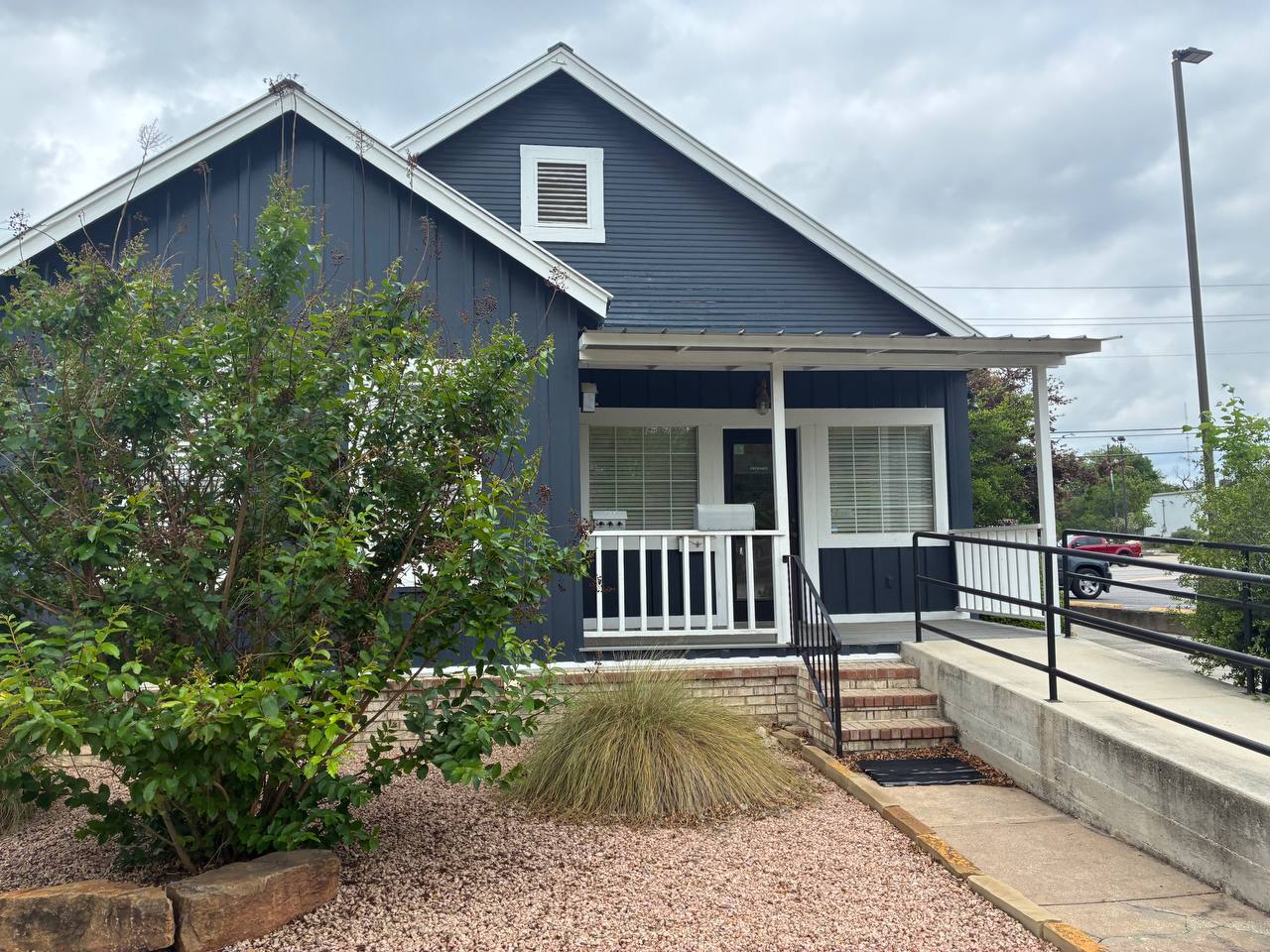
San Antonio includes older urban neighborhoods, established suburban tracts, infill remodel zones, and newer fringe development. Houses may share the same symptom words online while sitting on very different lots with very different drainage histories.
That is why a useful page should not pretend one explanation fits the whole city. Home age, lot shape, runoff behavior, landscaping, and prior repairs all affect what the symptoms actually mean.
Drainage clues often decide whether the concern is getting worse
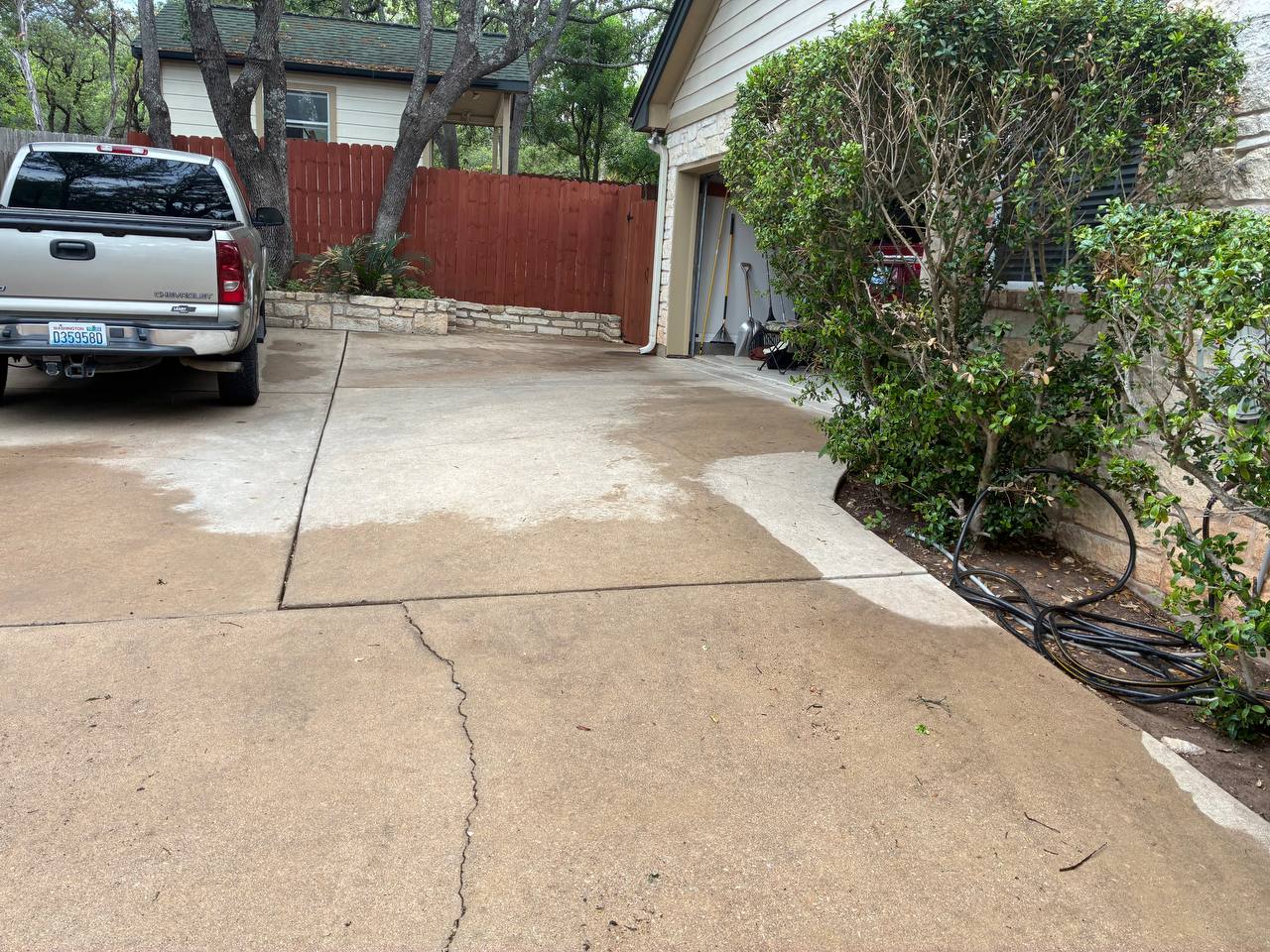
If one side of the home stays wetter, holds runoff after storms, or receives poor downspout discharge, the slab may be living under uneven moisture conditions. That matters whether the home is older or newer. In many San Antonio cases, outside water behavior explains why interior symptoms keep reappearing.
The real deliverable is the next-step decision
Most homeowners do not need a dramatic speech. They need clarity. Is this something to watch, something to correct with drainage and moisture control, or something that now justifies structural repair planning. Good foundation triage shortens that decision and helps the owner stop spending money in the wrong order.