Local foundation repair guidance
Schertz sits in a major northeast growth corridor between San Antonio and New Braunfels, with a strong commuter identity and broad neighborhood variation. Some parts of the city are older, while others were added during later waves of subdivision growth. That mix matters because slab-on-grade homes may look similar on the surface but perform differently based on site preparation, fill conditions, drainage layout, and what owners changed after move-in. The assumption that a newer home cannot have foundation concerns is one of the most common reasons recurring symptoms go uninvestigated for too long.
A practical inspection in Schertz should begin with symptom repetition. Did the same crack return after patching. Are doors sticking in more than one room. Is the floor issue limited to one spot, or does it connect to other interior and exterior signs. Repetition is important because it often separates random cosmetic wear from movement that keeps expressing itself through the structure. One drywall crack alone may not tell much. A crack that reopens while nearby doors bind and trim gaps widen tells a more useful story.
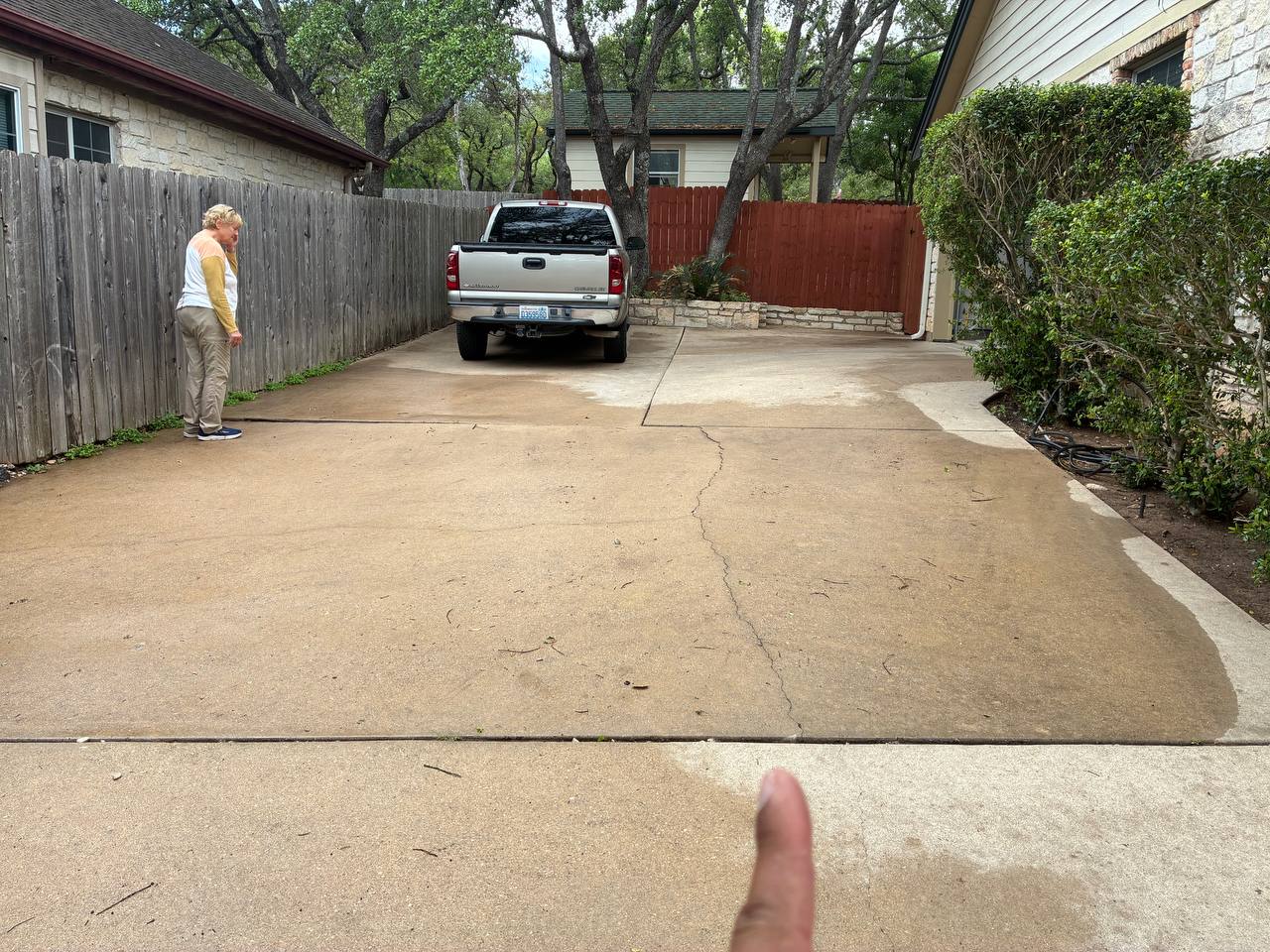
Fast-growth neighborhoods can still develop real moisture-balance problems. Even in subdivisions built by the same era or within the same general market, drainage and grading can vary from street to street or lot to lot. Backyard slope may be flatter on one property than another. A downspout may discharge correctly at one house and too close to the slab at the next. Fences, patios, sheds, and landscaping changes can also alter runoff after the builder has finished. Over time, those differences affect how evenly the soil beneath and around the slab holds moisture.
Inspection focus: Compare the symptom pattern, drainage behavior, and site changes before jumping to a repair method.
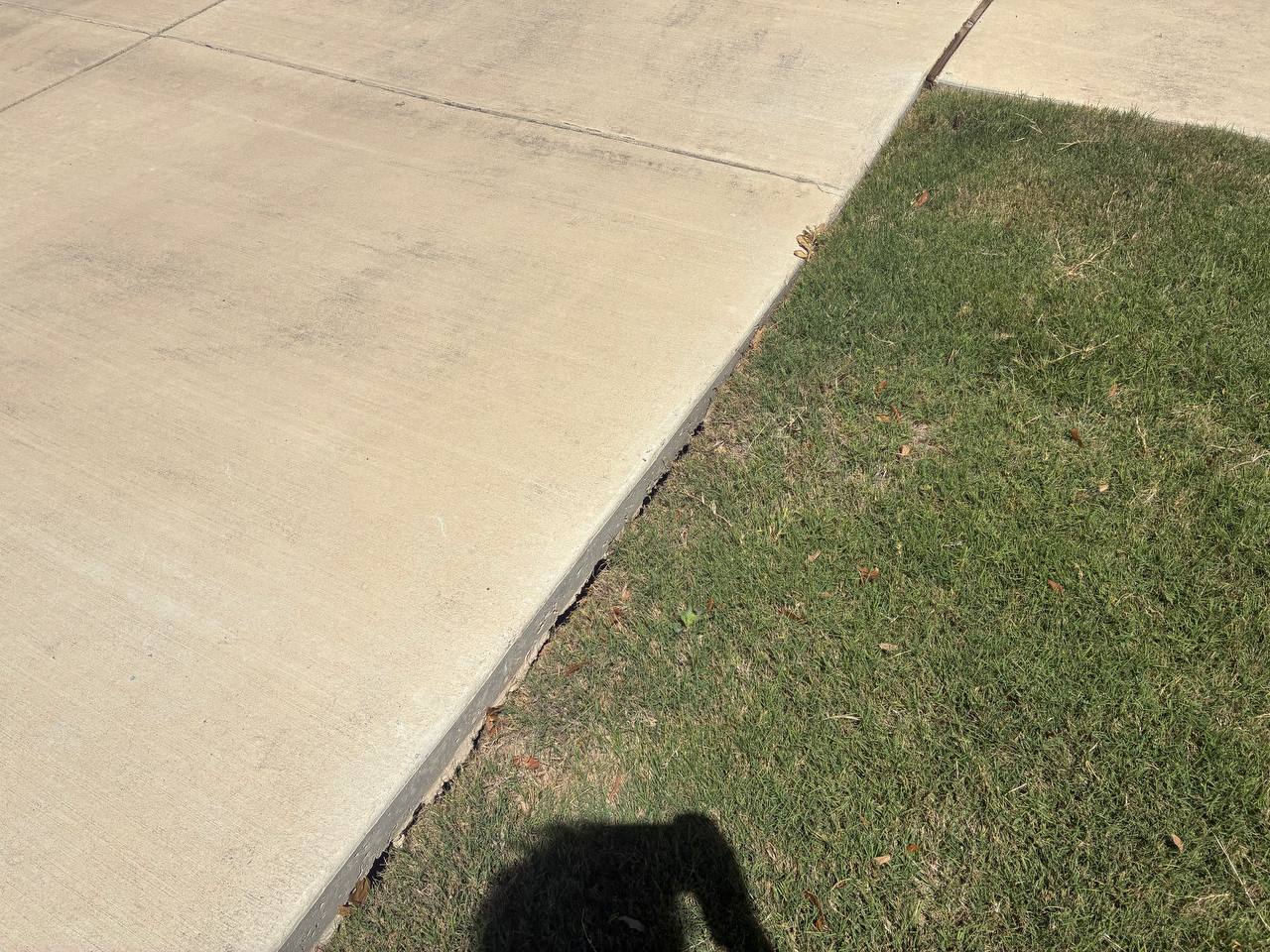
Schertz also has local drainage variation tied to broader runoff paths and nearby creek influence. Homes near lower areas or with limited backyard outlet can experience different water behavior than homes on slightly higher ground. That does not mean every property near a drainage path has a structural issue, but it does mean foundation evaluation should include the way water actually moves through the lot, not just the condition of the interior finishes. Looking only inside the house misses half the cause.
Many Schertz households include recent relocations, busy commuters, and military-connected families who may not have years of neighborhood experience with local movement patterns. That makes plainspoken guidance especially important. Homeowners want to know whether they are dealing with something common and manageable or something that should be addressed before it worsens. The best answer comes from narrowing options. Some homes need monitoring because symptoms are mild and their progression is unclear. Some need drainage improvements because runoff and moisture control are obviously contributing to the problem. Others show enough consistent movement that structural repair planning becomes the right next step.
Budget awareness matters here. A recurring symptom page should not assume every homeowner is ready for major underpinning. It should help them understand what can be learned from an inspection before larger decisions are made. For example, if the main issue is poor discharge at the back corner of the home, changing water management may be a priority before any structural recommendation. If the house has multiple directional cracks, repeated sticking doors, exterior separation, and measurable floor change, then structural repair deserves more serious discussion. The value of inspection is that it turns guesswork into a sequence.
In Schertz, subdivision age can also create false confidence. A ten- or fifteen-year-old home may feel too young for foundation trouble, yet enough time has passed for drainage changes, irrigation habits, and seasonal soil movement to reveal weaknesses in support conditions. Likewise, an older core-area home may have a longer history of symptoms but also more clues to help explain them. Either way, the homeowner benefits from looking at pattern over time rather than age alone.
A good foundation assessment should review the interior symptoms, the exterior grading, the runoff paths, and the specific neighborhood context. It should ask what repeats, what worsens after weather swings, and what parts of the house seem to move together. That approach keeps the conversation practical. Instead of jumping from fear to an expensive solution, it helps the owner understand where the problem sits on the spectrum from watch and manage to repair and stabilize.
If you are seeing repeating cracks, sticking doors, or floor changes in Schertz, it is worth getting the pattern evaluated before another round of cosmetic work. Foundation repair is not just about fixing what is visible today. It is about deciding whether the next step should be monitoring, better drainage, or a structural repair plan that fits the actual behavior of the home. That clarity can save money, reduce frustration, and keep a manageable issue from turning into a more disruptive one.
Set up a Schertz foundation inspection to narrow recurring symptoms into the right next step, monitoring, drainage improvement, or structural repair.