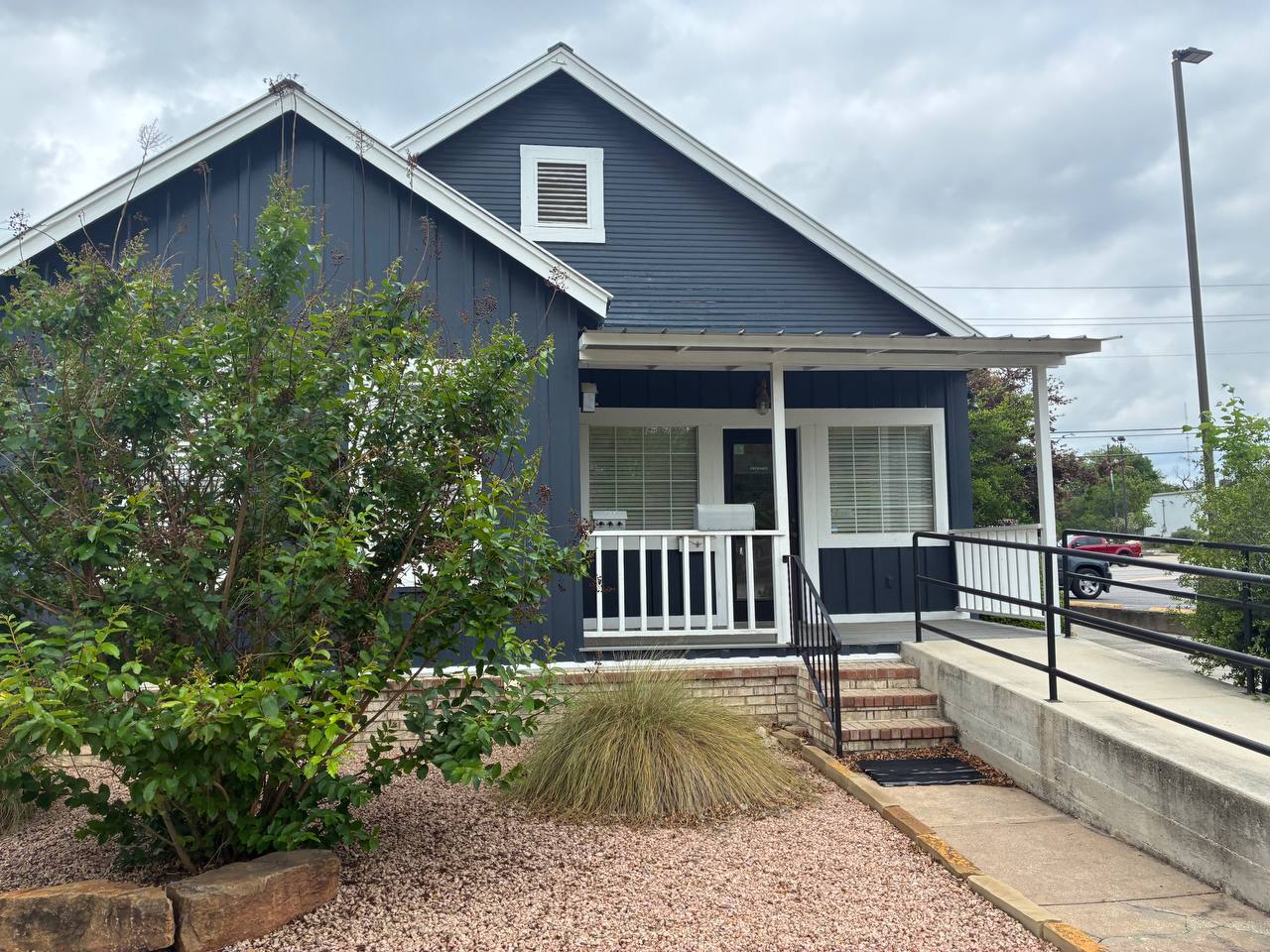
Selma foundation concerns often make more sense once you read the lot edges
The Selma pattern This page is built for tighter-lot properties where small drainage flaws can keep stressing the same slab edge. The outside clues often matter as much as the crack you see indoors.
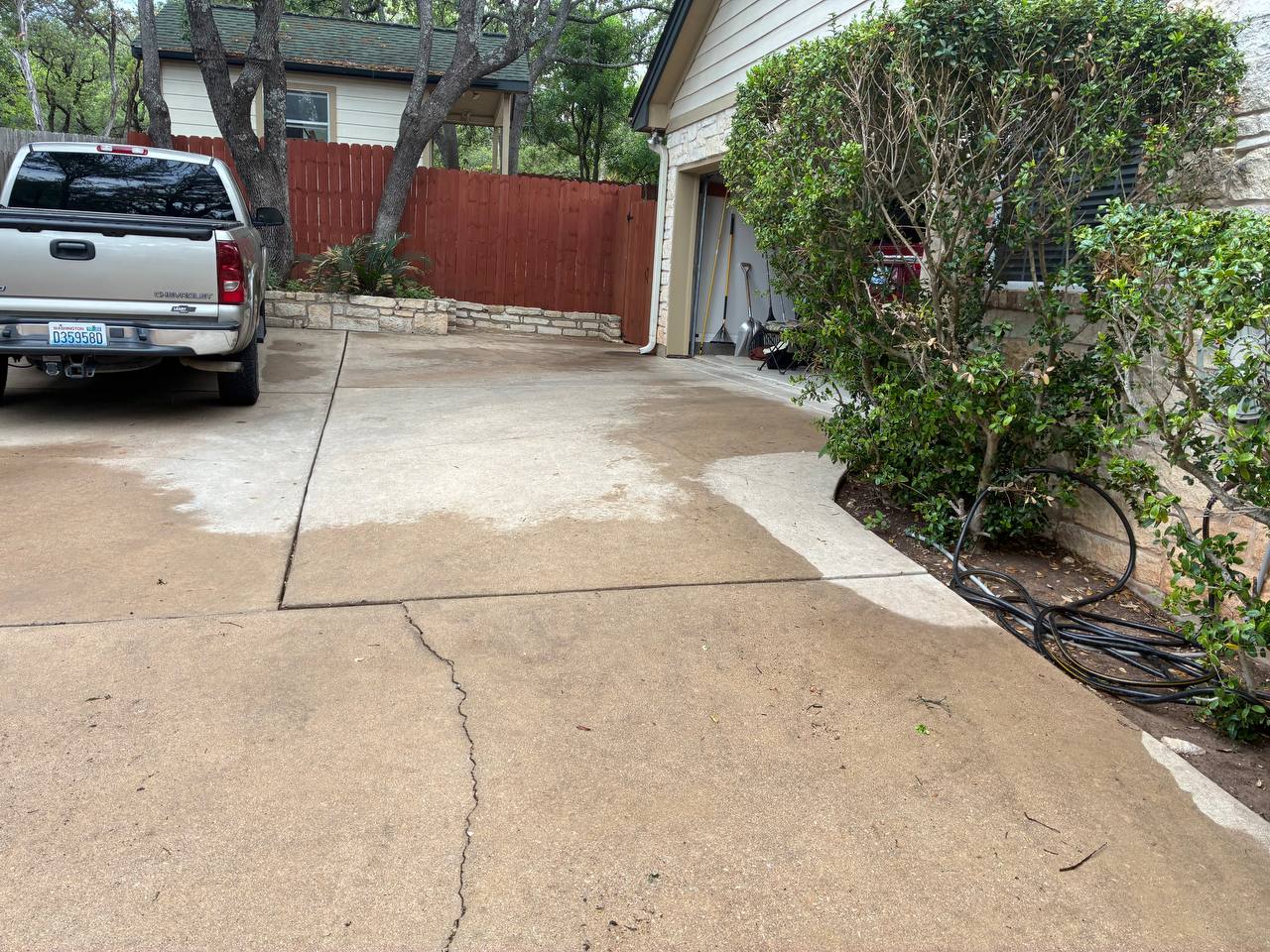
Small lots can concentrate runoff faster than owners expect
When there is limited yard area, water may stay close to the slab instead of dispersing. That can make one side of the home repeatedly wetter, softer, or more stressed than the rest.
Exterior clues may explain indoor symptoms better than the drywall does
Water tracks in a side yard, low corners, soft perimeter soil, and slab-edge separation can all reveal why a doorway, corner, or room keeps showing movement. On compact lots, these clues deserve extra weight.
Neighboring hardscape can change your drainage reality
Concrete, grade buildup, and runoff patterns on adjacent lots can influence how water behaves near your property line. That is why the inspection should read the full edge condition, not only the center of the yard.
Limited correction room makes sequencing more important
Because tighter lots offer fewer easy drainage fixes, homeowners benefit from a cleaner diagnosis before spending money. The right sequence may still be monitoring, targeted water control, or structural planning, but it should be chosen carefully.