Local foundation repair guidance
Custom homes create custom foundation questions. A large footprint with multiple wings, varying rooflines, additions, and outdoor living areas does not respond the same way as a simple rectangular tract house. One section of the home may sit on slightly different support conditions than another. A side yard may drain well while the rear corner holds water after rain. A pool deck, retaining feature, or patio expansion may change runoff behavior. Even where the terrain appears mostly flat to gently rolling, small lot-level differences can matter a great deal when water routing becomes uneven.
That is why the best starting point in Shavano Park is to read the lot and the house together. Interior symptoms alone rarely tell the full story. A crack over a doorway may be linked to broader movement in that wing of the home, or it may reflect a localized issue tied to moisture conditions outside. If doors bind on one side of the structure but not the other, the pattern should be compared with drainage direction, landscaping density, tree placement, and hardscape layout. In a custom-home environment, uneven symptom distribution is often more informative than the presence of any single crack.
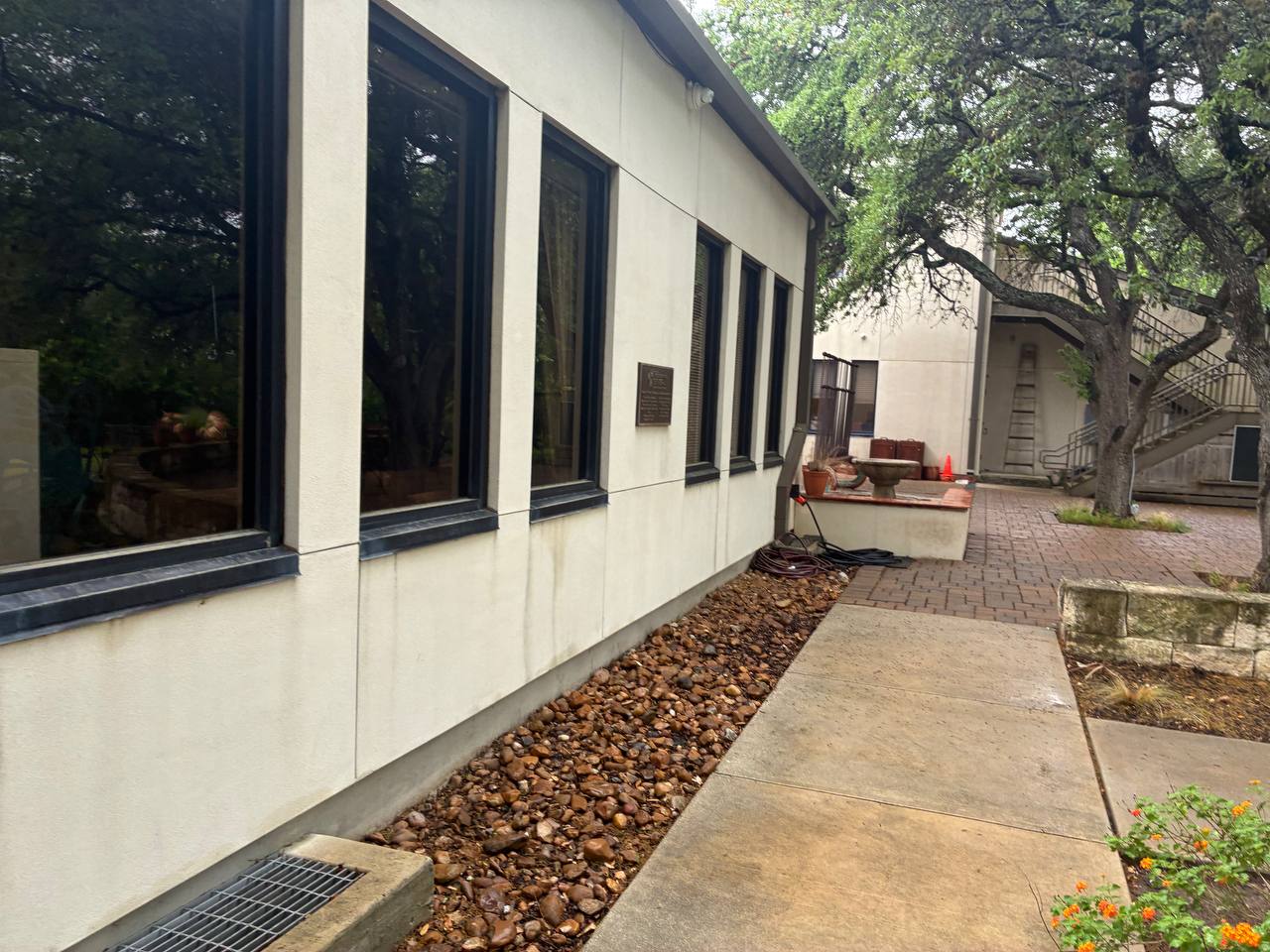
Drainage routing is especially important on premium properties. Estate-style lots may have more elaborate landscaping, expanded hard surfaces, and water features that change how runoff travels. One homeowner may have invested heavily in irrigation and planting beds, while another portion of the perimeter stays comparatively dry. Pools and outdoor kitchens can add surfaces that redirect water and alter the way soil around the foundation gains or loses moisture. These are not minor details. They are often central to understanding why one section of a custom home moves differently from another.
Inspection focus: Compare the symptom pattern, drainage behavior, and site changes before jumping to a repair method.
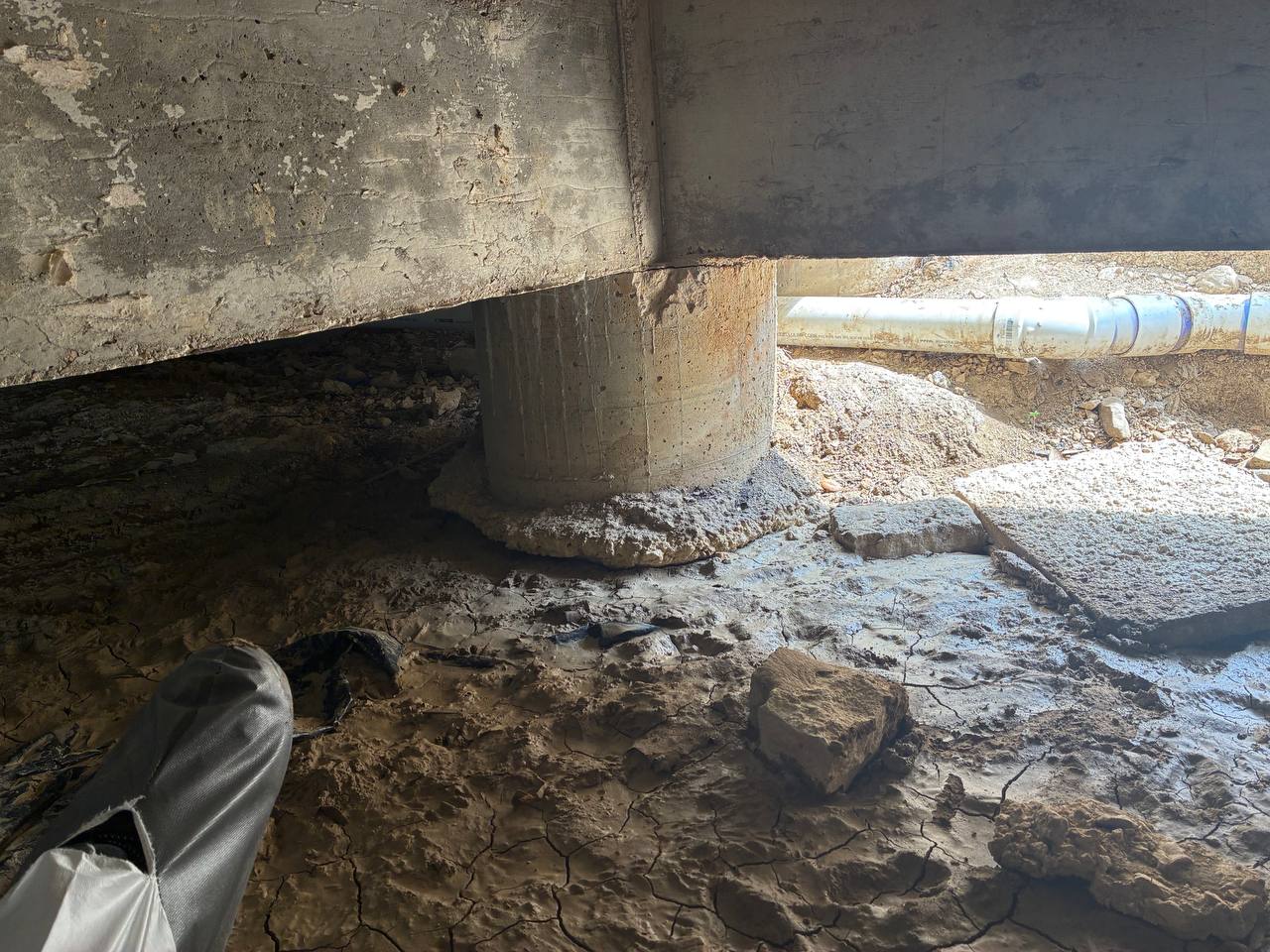
Additions and irregular footprints deserve special attention as well. A home that grew over time may have transitions between original and expanded areas. Even when construction was done well, the way those sections interact can become important if drainage patterns change or if soil moisture stays inconsistent around the perimeter. Larger homes also create longer interior sightlines, which means owners may notice slope, trim separation, or flooring irregularity in ways that are less obvious in smaller houses. That visibility can be helpful, but it still needs to be interpreted in context.
In Shavano Park, homeowners are often thinking beyond immediate repair cost. They want to protect high-end finishes, preserve landscaping investment, and make decisions that support long-term value. That means the inspection process should be careful rather than generic. It should identify where symptoms are concentrated, how the lot sheds water, whether additions or outdoor features affect the pattern, and what level of intervention is actually warranted. Some properties may need improved drainage control or water management before structural repair is considered. Some may need targeted structural work because the symptom pattern is consistent and significant. The right recommendation depends on the relationship between the lot and the structure.
A site-specific evaluation also helps avoid overgeneralization. Because Shavano Park is surrounded by the larger San Antonio urban area, homeowners may hear broad advice about foundation repair that applies to typical slab neighborhoods but not to custom properties with larger footprints and more individualized site layouts. General guidance can be useful, but it should not replace direct analysis of drainage routing, lot shape, and the actual way the house is performing. A one-size-fits-all recommendation is rarely the best fit here.
When subtle signs appear, the temptation is often to wait until the issue becomes obvious. Sometimes that is reasonable, especially if symptoms are minor and stable. But for custom homes with premium finishes, early interpretation can be valuable. A careful review may reveal that a drainage adjustment now could reduce the chance of larger finish damage later. It may also show that the concern is more cosmetic than structural, which can provide peace of mind and prevent unnecessary work.
Foundation repair planning in Shavano Park should be deliberate, not rushed. The goal is to understand uneven symptom patterns across a larger footprint, relate them to drainage and lot conditions, and choose the least disruptive effective response. That might mean monitoring, drainage improvement, structural repair, or a combination of steps. What matters most is that the recommendation fits the property instead of forcing a complex home into a generic suburban template.
If you are seeing cracks, slope, or alignment issues in a Shavano Park home, the next step should be an inspection that treats the lot, the layout, and the finish level as part of one system. That kind of evaluation is the foundation of smart repair planning. It protects the house, respects the property, and gives you clearer guidance on how to address movement without guessing.
Arrange a Shavano Park foundation inspection that evaluates the lot, drainage routing, and custom home layout before recommending repairs.