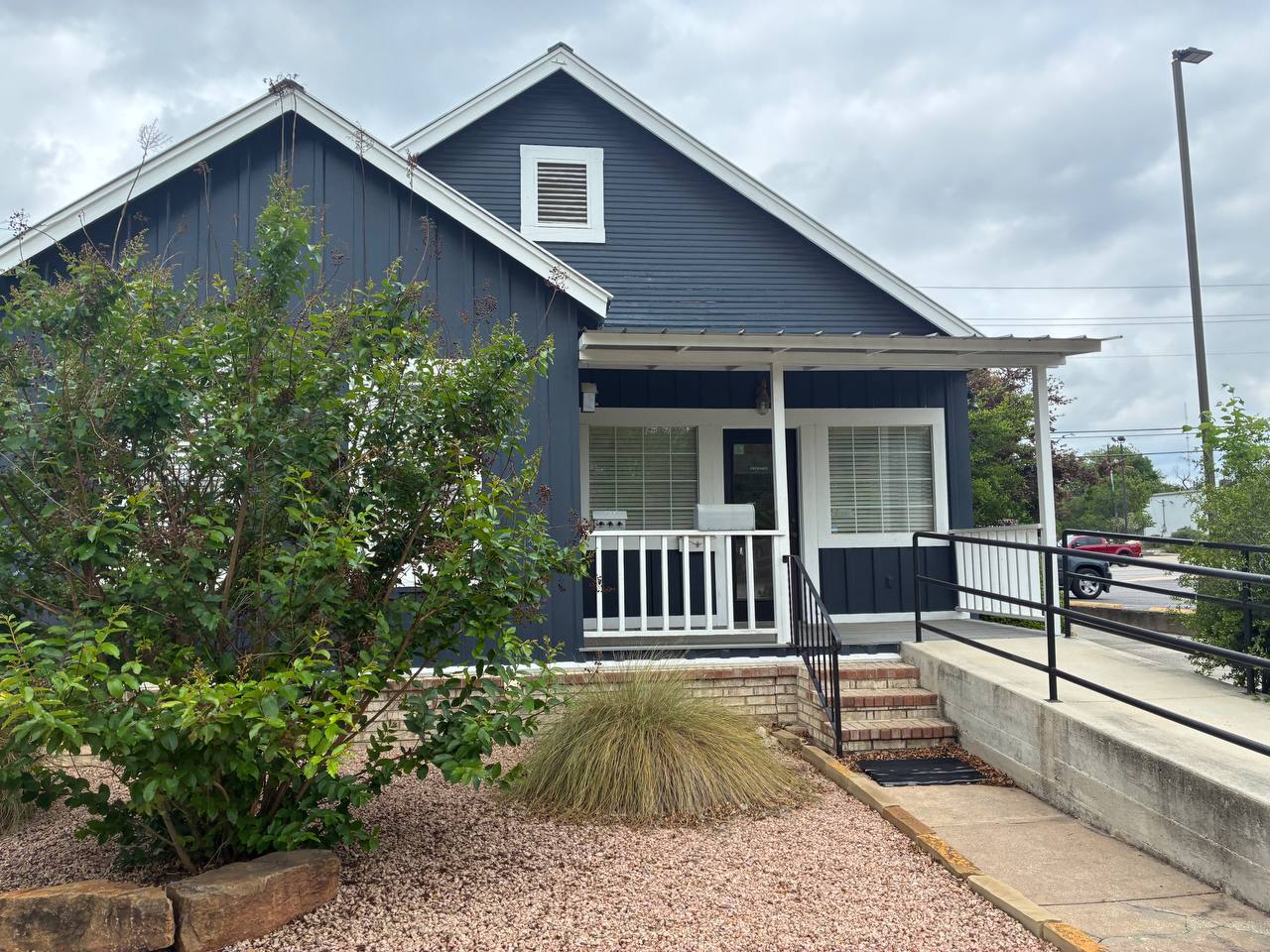
Why Helotes homes can feel solid in one corner and unsettled in another
What makes Helotes different Helotes often combines rocky terrain with moisture-sensitive clay behavior. That contrast can produce a foundation pattern that looks inconsistent until the site is read zone by zone.
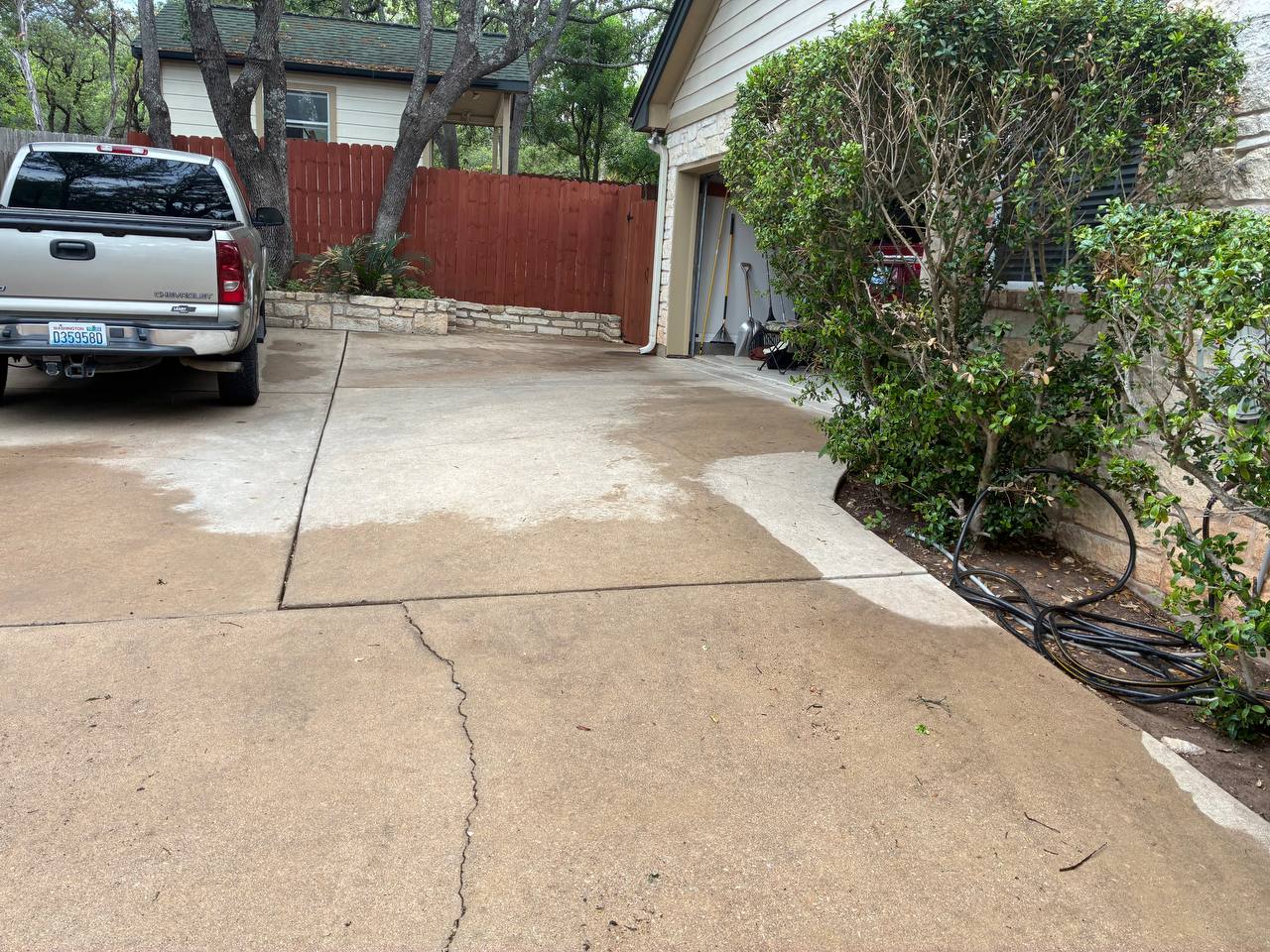
Uneven support is the main story here
Helotes foundation symptoms often make more sense when the house is understood as sitting across mixed support conditions. One side may feel tied to shallower rock influence, while another side is more exposed to clay movement, runoff concentration, or softer moisture swings.
Rock is not a free pass
Homeowners sometimes assume that a rocky area means the whole foundation should be immune to movement. That is too simple. If support conditions vary around the home, the slab can still experience differential stress even when parts of the site feel hard and stable underfoot.
Runoff can amplify the contrast
Water movement matters even more when the ground conditions are mixed. If runoff repeatedly feeds one zone while another stays comparatively dry, the difference in support can become more pronounced over time. That is one reason Helotes symptoms can seem scattered or unevenly distributed.
The inspection should explain the inconsistency
A good Helotes evaluation should tell the homeowner why one section of the house is cracking, binding, or sloping differently from another. That explanation is what turns a confusing symptom list into a practical next step.